

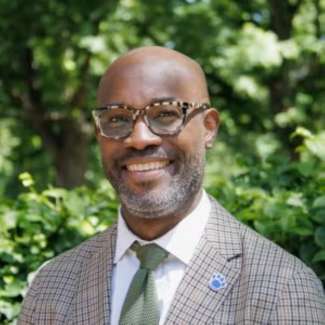
Join us for a hot breakfast and a lecture by Dr. Antwain K. Hunter on Emancipation.
Emancipation Day is a day of Rejoicing! On January 1st, 1863, President Abraham Lincoln issued the Emancipation Proclamation, freeing enslaved African Americans in the South. This proclamation inspired many to run away and join the frontlines of the Union army. After fighting, many decided to commemorate this Proclamation; thus, Emancipation Day was born.
Usually celebrated on January 1st in North Carolina, Emancipation Day featured parades, dances, and speeches. After 1865, many African Americans navigated the complicated reality of balancing their new freedom within existing societal discrimination. Our lecturer will discuss this reality regarding firearms and gun ownership in the 1800s. Books can be purchased at the Event!
Details
Location: City of Raleigh Museum
Date: Saturday, Jan. 3
Time: 8:30 - 9:30 a.m.
Ages: All
Cost: $20
Get Tickets for 2026 Emancipation Day Breakfast
About the Book: A Precarious Balance: Firearms, Race, and Community in North Carolina, 1715–1865
New nuance to old gun debates in the Tar Heel State
Spanning the 1720s through the end of the Civil War, this book explores how free and enslaved Black North Carolinians accessed, possessed, and used firearms—both legal and otherwise—and how the state and white people responded. North Carolinians, whether free or enslaved, Black or white, had different stakes on the issue, all of which impacted the reality of Black people’s gun use.
Antwain K. Hunter reveals that armed Black people used firearms for a wide range of purposes: They hunted to feed their families and communities, guarded property, protected crops, and defended maroon communities from outsiders. Further, they resisted the institution of slavery and used guns both against white people and within their own community. Competing views of Black people’s firearm use created social, political, and legal points of contention for different demographics within North Carolina and left the general assembly and white civilians struggling to harness Black people’s armed labor for white people’s benefit. A Precarious Balance challenges readers to rethink how they understand race and firearms in the American past.