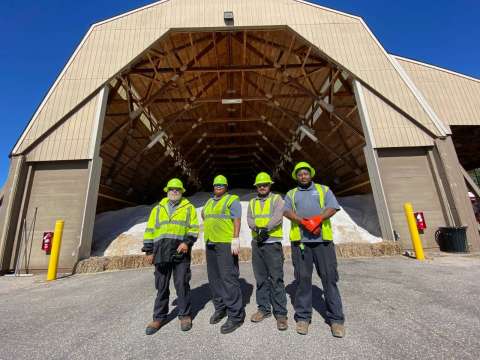
Two winter storms hit Raleigh on back-to-back weekends in late January, leaving City crews with little time to rest.
Raleigh Transportation Maintenance teams worked long shifts, early mornings, and overnight hours both weekends to keep roads safer for drivers, transit riders, and emergency responders. Behind the scenes, new technology helped staff make faster, more informed decisions, before the snow ever fell and as conditions changed across the city.
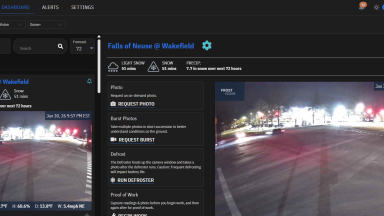
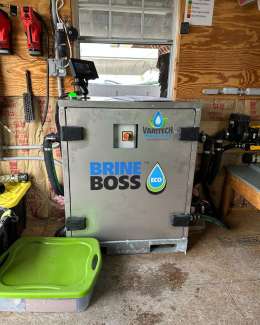
This winter, Raleigh Transportation introduced two new tools to strengthen its snow and ice response: Brine Boss, a system that produces cleaner, more precise brine, and Frost Solutions, a weather monitoring system that tracks road conditions in real time across different parts of the city.
Together, these tools are helping crews work more efficiently, reduce waste, and better protect residents during winter weather events
Brine Basics and Why Quality Matters
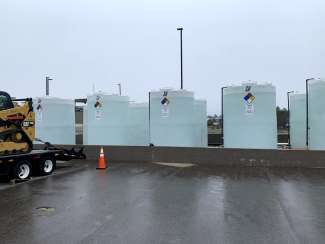
Brine is a mixture of salt and water applied to roads ahead of a storm to help prevent snow and ice from bonding to the pavement. Unlike rock salt, brine begins working as soon as it’s applied.
“When brine is mixed correctly, it creates a thin salt film on the road,” Hickman explained. “That film can delay accumulation or melt snow on contact during lighter events.”
Accuracy is critical. If the mixture is off, brine can become less effective or even freeze on contact. That’s where the Brine Boss system makes a difference.
Frost Solutions: Seeing the City One Microclimate at a Time
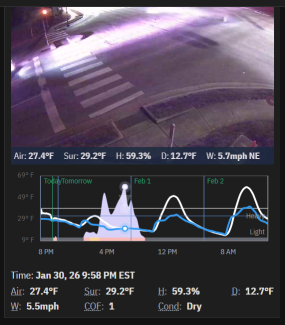
Winter weather doesn’t impact every part of Raleigh the same way. One neighborhood may be icy while another stays wet and those differences matter.
To better understand these microclimates, Raleigh added Frost Solutions, a network of solar-powered cameras and weather sensors placed in key locations across the city.
“Our traffic cameras show us what the road looks like,” Hickman said. “Frost Solutions tells us what the road feels like — surface temperature, humidity, and how slippery the pavement may be.”
The system also uses predictive modeling and sends alerts when conditions are expected to change, allowing staff to shift resources where they’re needed most. sometimes before drivers encounter a problem.
“In the past, decisions were made by looking out one window,” Hickman said. “Now we can see what’s happening across the city and respond more strategically.”
How Residents Can Help
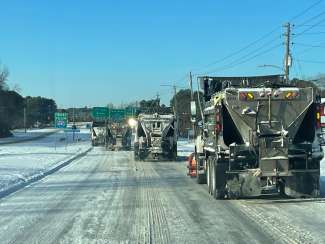
Residents can support winter weather operations by:
- Avoiding travel when possible during storms
- Giving plows and spreaders plenty of space
- Turning on headlights during snowfall or at night
- Being patient as crews work citywide, often overnight
“Our drivers are operating large vehicles in challenging conditions,” Holmes said. “A little patience and space go a long way.”