
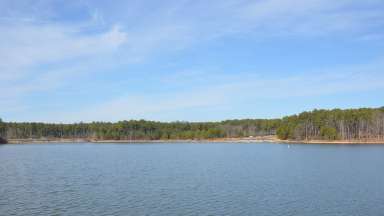
Central North Carolina is experiencing a severe drought, and that includes the watersheds that feed Falls Lake and Swift Creek. Because of the ongoing dry conditions, Raleigh Water is activating Stage 1 water-use restrictions effective April 20.
While many people may notice dry creeks and low spots along the lake’s edges, the good news is that Raleigh’s drinking water supply remains strong. Falls Lake currently has 84% of its water supply pool remaining. That number may go up and down depending on rainfall, time of year, and natural lake cycles. It’s also normal to see more shoreline during long dry periods, even when drinking water supplies remain healthy.
Raleigh also has two secondary water supplies at Lake Benson and Lake Wheeler, which are both near full capacity.
Why Water Restrictions Are Starting Now
Raleigh uses a Water Shortage Response Plan (WSRP) to decide when restrictions should begin. The plan looks at more than a century of lake and weather data to help predict how our water supply may change during the year.
Because 5.6 billion gallons of extra storage was added to Raleigh’s available supply in Falls Lake in 2019, the drought triggers are exceptionally conservative. That means Raleigh acts earlier to stay prepared and ensure the long-term viability of water resources.
Stage 1 Water Restrictions: What You Need to Know
To help conserve water during the current drought, Raleigh Water is implementing Stage 1 restrictions. These measures protect our water supply while allowing you to maintain your home and yard.
Outdoor Watering Rules
- Sprinklers (automatic and manual): Water only between midnight and 10 a.m.. Odd-numbered addresses: Tuesdays; even-numbered addresses: Wednesdays.
- Hose-end sprinklers: Use from 6–10 a.m. or 6–10 p.m. on Tuesdays or Wednesdays.
- Handheld hoses & drip irrigation: Allowed anytime.
- Leaks: Fix plumbing or service line leaks within 48 hours after written notice.
Indoor Use
- Restaurants will serve tap water only upon request.
- Hotels, motels, and B&Bs will ask guests staying more than one night to reuse towels and bedsheets.
Small changes by everyone help Raleigh preserve water for drinking, healthcare, and emergency needs.
Learn More
You can stay up to date on drought conditions and water supply levels by visiting Water Supply and Drought Status. Raleigh Water will continue sharing updates each week as conditions change.